
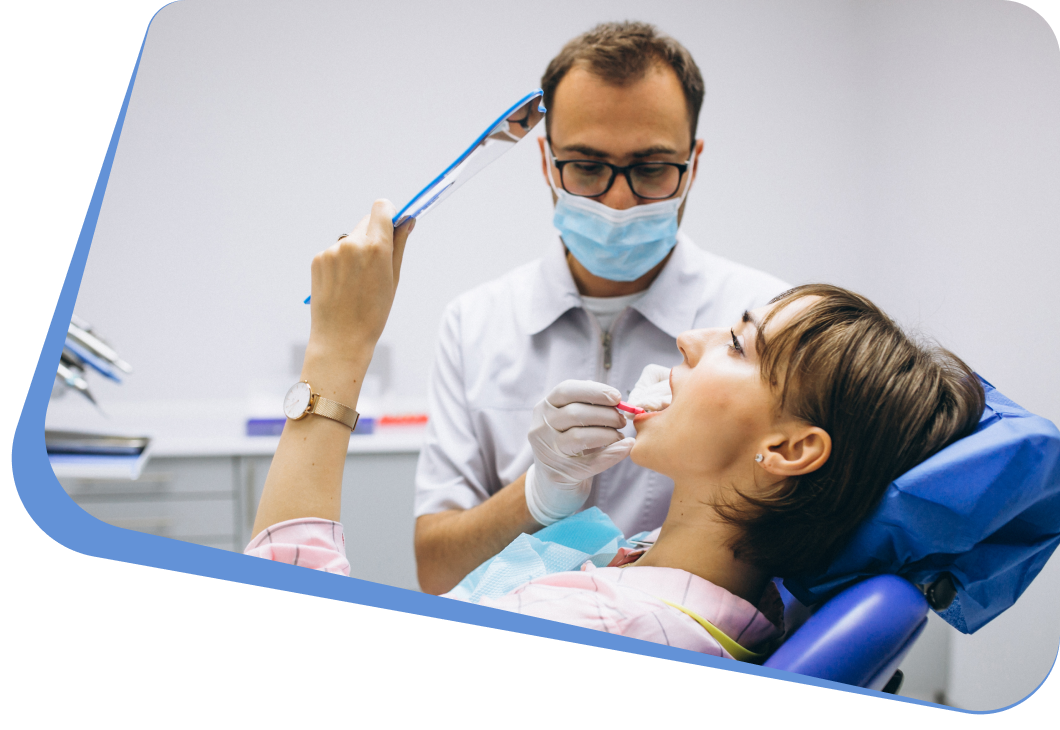
Oral Surgery HEALTHY SMILES
Complete Dental Care for Every Smile
We combine advanced technology with a gentle touch to deliver exceptional dental care in a comfortable and welcoming environment.
Experienced Dental Team
Advanced Dental Technology
Comfortable Environment
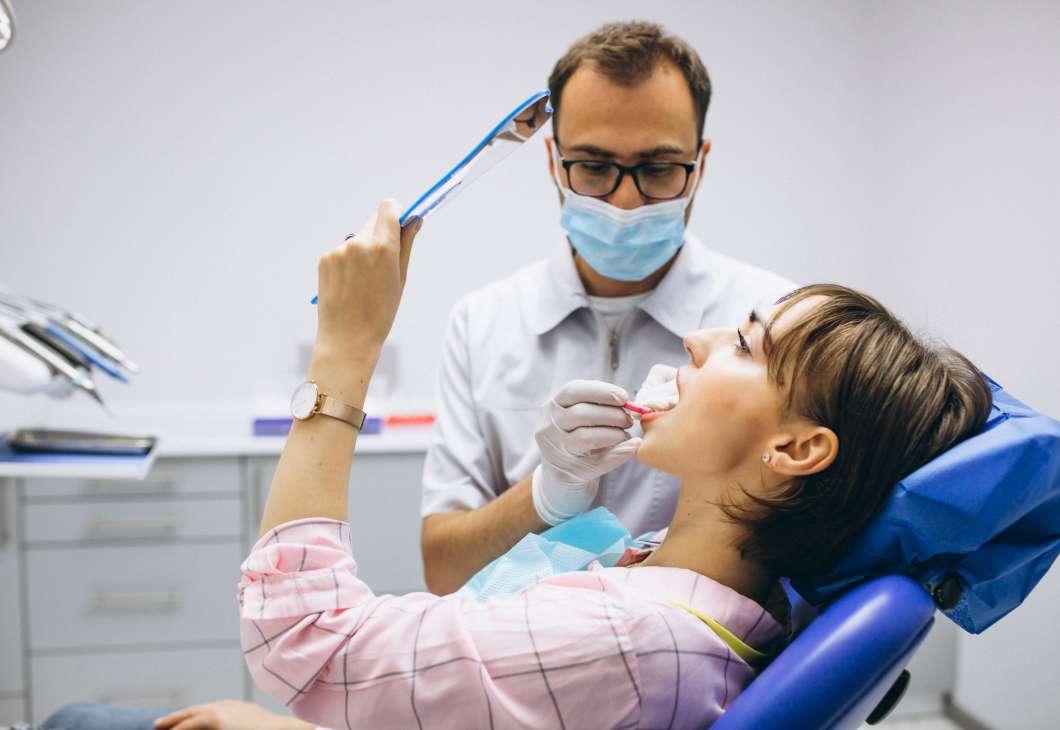
Oral Surgery
Convenient Care at Premiere Dental
When it comes to dental care, sometimes the best course of action is to have a tooth extracted. Dental extractions can be necessary for various reasons, such as severe decay, damage from trauma, or overcrowding. While tooth extraction may sound daunting, the procedure is relatively common. It can be performed by a skilled dentist or oral surgeon in Northeast Philadelphia, West Deptford, or Abington, PA. If you need a dental extraction, it’s essential to understand the procedure, aftercare, and potential complications. Here’s what you need to know.


The Dental Extraction
The Dental Extraction Procedure
Before your extraction, your dentist or oral surgeon will numb the area around the tooth with a local anesthetic. If you’re anxious or nervous about the procedure, they may offer sedation options to help you relax. Once the area is numb, the dentist or surgeon will use special tools to loosen the tooth and gently remove it from the socket. Suppose the tooth is impacted (meaning it’s partially or fully covered by gum tissue). In that case, the dentist or surgeon may need to make an incision in the gum to access the tooth. After removing the tooth, your dentist or surgeon will place a gauze pad over the extraction site to help stop bleeding. They may also give you instructions for caring for the site at home, including avoiding hard or crunchy foods, smoking, and vigorous brushing for a few days.
Get Appointment Now
Don’t just take our word for it, here are what some of the our patients have to say about their experience with Premiere Dental.
generally safe and straightforward
Potential Complications
While dental extractions are generally safe and straightforward, there are some potential complications to be aware of. These can include:
Dry socket
This occurs when the blood clot that forms in the socket after the extraction becomes dislodged, exposing the bone and nerves underneath. This can be painful and may require additional treatment.
Infection
Any time there’s a break in the skin (such as during an extraction), there’s a risk of infection. Your dentist or surgeon may prescribe antibiotics to help prevent this.
Damage to surrounding teeth or structures
During the extraction, it’s possible to accidentally damage nearby teeth, nerves, or blood vessels. This is rare, but it’s a potential complication to be aware of.
15+
Years of Experience
800+
Positive Reviews
5,000
Happy Patients
3
Our Locations
Take the right steps to heal quickly
Recovery & Aftercare Instructions
After your extraction, it’s important to follow your dentist or surgeon’s instructions for care. This may include:

- Taking pain medication as prescribed to manage any discomfort.
- Applying ice to the outside of your mouth to reduce swelling.
- Avoiding smoking, drinking through a straw, or eating hard or crunchy foods for a few days.
- Rinsing your mouth gently with salt water to keep the area clean.
- Resting and taking it easy for the first day or two after the procedure. Dental extractions can be necessary for various reasons, and they’re generally safe and straightforward procedures. However, it’s important to understand the potential complications and to follow your dentist or surgeon’s instructions for aftercare to ensure a smooth recovery. If you need a dental extraction, don’t hesitate to talk to your dentist or oral surgeon about your options and what you can expect.
You are always safe with us
We are ready to help any time.
Your comfort, safety, and oral health are our top priorities. Our experienced team provides compassionate, personalized care and is here to support you whenever you need us.
ORAL SURGERY
Advanced Surgical Care for a Healthier Pain-Free Smile
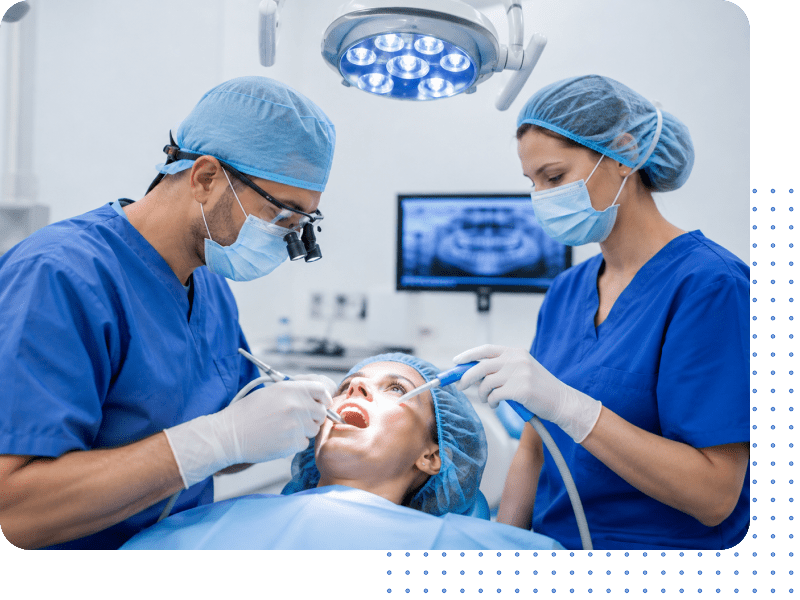
Our oral surgery services address a wide range of dental concerns with precision and care. From tooth extractions to more complex procedures, we use advanced techniques to provide a safe, comfortable experience and support a smooth recovery.
Safe & Comfortable
Expert Surgeons
Quick Recovery
Comprehensive Care
Testimonials
Abington Family dentistry is always on time and does a great job cleaning and checking for cavities.
Indra, hygenist, very friendly, informative answering all my questions and concerns, taking as much time as needed to address and explain everything! Excellent demeanor! Dr.Mincer, very thorough and informative, explaining treatment that I will need in great detail and patient with my questions. Very impressed. Ashley, front desk associate, informative especially going over costs and insurance issues.
The office staff and hygienists are very pleasant and welcoming. The office is beautiful! A pleasure to visit an office with amazing staff who provide 4 star customer care & service. I relax as I receive treatment/services. The team is so kind and excellent at caring for my teeth without ANY PAIN! What a great team. Thank you Premiere!
It is such a welcoming atmosphere due to the extraordinary ladies at the front desk who are very accomondating and pleasant. My tooth was saved due to the expertise of Dr. Parvez along with Samantha and Ron, who are fantastic. I am so grateful to still have this tooth. Also, special thanks to my hygienist Indra, who is amazing.
Very professional staff . Pam had been my dental hygienist for over 13 years. All of the staff are very professional. My appointment was at 11:00 and I was taken in at exactly 11:00 a.m. I saw a new young lady today named lysa and she was wonderful I had my teeth cleaned they were right on time she was very sweet and respectful . first time I met a different Dr and he was very nice. Overall it was a 100% good experience for a dentist office I highly recommend them
Priemere Dental is one of the best in the northeast of Philadelphia. Very friendly and professional staff and they make you feel so comfortable. Dr. Patel is professional and he knows what he's doing. I enjoyed my time there and I can't wait to recommend my friends and family there.
I recently switched my dentist after many years and I'm happy to say that I couldn't be happier with the friendly staff and their professionalism they are a very accommodating to your needs and situations with appointments so if you're looking for a new place for all your dental needs please give Premier Dental of Northeast a chance to earn your business you won't be disappointed.
Best dentist team in the world i really feel like they care about me remember my birthday and every other life event its like an extension of the family and jen is so great with scheduling and keeping me stress free i highly recommend especially if you want to be comfortable and cared extra for they really go the extra mile i love it here and dr patel is Amazing don't walk run there for all your teeth needs.
Everyone from the front desk to the dentist was nice and pleasant. The ladies at the front desk broke everything down to me financially so I could know what to expect. The assistant was amazing as well. The dentist explained everything to me as well. Will return with my family.